Filtered by author: Nelson Kirkland Clear Filter

The Fight Against Flower Thrips: If — and When — to Treat

The Florida flower thrips (Frankliniella bispinosa Morgan) is primarily a pest of southern highbush blueberries during the bloom period in Florida. Larvae and adults feed on all parts of the flowers (ovaries, styles, petals) and developing fruit. Feeding damage can reduce pollination of the injured blooms, and the subsequent quantity and quality of fruit produced from those blooms. Adult females can also cause indirect injury to fruit when laying their eggs inside flower tissues (Figure 1 c). The newly hatched larvae create holes in the flower tissue when they emerge, resulting in scarring of the fruit. 
Read More

Funds, Trade, Labor, and Change: A Look Ahead

Seasonal Insights and Industry Updates 

Read More

Winter Freeze Survival Guide

Read More

2025 FBGA Fall Meeting

October 23, 2025
Lakeland, Florida
photos by JESS McDONALD and TYLER DiGIOVINE

Read More

To Network or Not? There Is No Question

There’s an old joke about farmers being outstanding in their fields, and in Florida, it rings true on both counts. I’ll be the first to champion the dedication and perseverance of our growers. The flip side of that joke, of course, is that you’re almost guaranteed to find a farmer literally standing alone in a field. Farming can be a solitary lifestyle much of the time, which makes it all the more important for growers to seek out meaningful connections with their peers. 

Read More

BerrySmart Field in Action: Turning National Investment into Local Insight in Florida

BerrySmart Field was established by the U.S. Highbush Blueberry Council (USHBC) to ensure emerging technologies are tested, validated and refined on real farms — so growers can make better decisions with less risk. Launched initially in the Pacific Northwest, the program expanded in 2025 to include on-farm deployments in Florida and New Jersey, reflecting USHBC’s commitment to learning across diverse production regions and conditions. Rather than asking individual growers to experiment on their own, BerrySmart Field invests nationally to generate practical, transferable insights that benefit the entire U.S. blueberry industry.

Read More

Rust Never Sleeps

Latest Research and Best Practices to Fight the Disease

“This is the story of Johnny Rotten, It’s better to burn out than it is to rust.” 

Read More

Management Calendar Items January - March

Disease

Read More

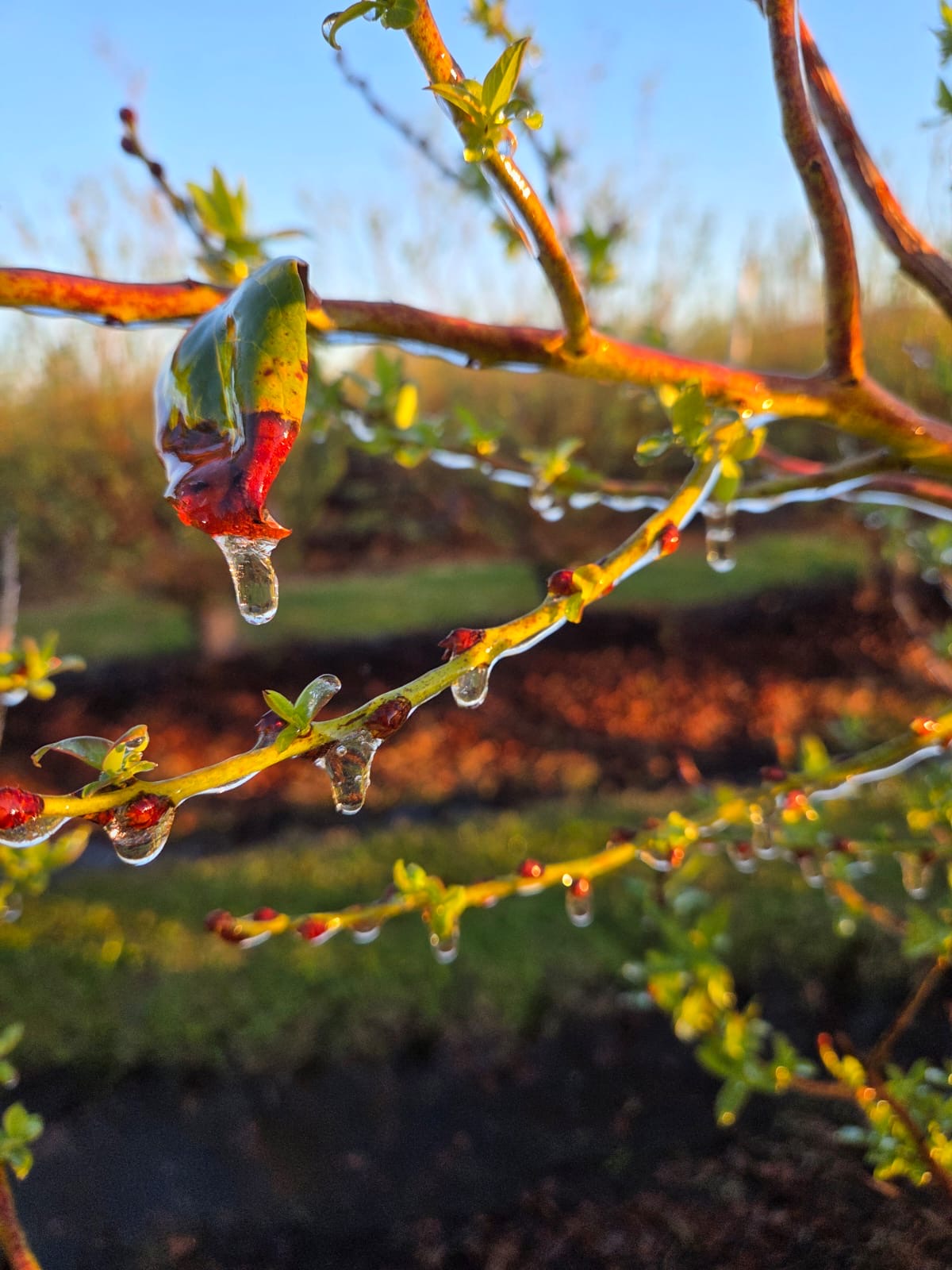
Are You Ready for the Freeze?

Virtually all blueberry fields in Florida are subject to late winter or early spring freezes, which can cause serious reductions in yield. This is a list of activities for freeze preparation. The list was originally published by Mike Mainland in the North Carolina Blueberry News, Vol. 7, No. 1 and has been modified by IFAS faculty and FBGA board members.

Read More

Hustling in the Off-Season

A common question I’m asked is, “What do you do in the off-season?” The answer is simple: We hustle. The off-season is our time to plan, budget, and forecast for the next harvest. Planting and growing healthy bushes are fundamental parts of our work, but many other factors are crucial to our success. Pre-harvest realities can set in earlier than expected, and shifting policies, pests, weather, and labor add layers of complexity.

Read More

Blueberries Shine at Great American Farmers Market

Provided by USHBC

Read More

Surviving the Storm

Hurricanes and tropical storms can result in damage to Florida blueberry farms in three primary ways – wind damage, flooding, and disease resulting from plant damage or post-storm environmental conditions.

Read More

Smart Irrigation

Soil Moisture Sensors Can Help Boost Florida Blueberry Production

by Diego Cabezas

Read More

Weighing In On Water

Pesticide Efficacy Hinges on Spray Water pH

Read More

Building the BMPs

Research Aims to Develop Nitrogen Fertilizer Guidelines for Florida Blueberries

Nitrogen (N) plays a central role in the growth and productivity of southern highbush blueberries. It supports canopy development, fruit production, and the formation of floral buds for the following season. Determining the right N fertilization rate is not straightforward. Fertilizer needs vary widely depending on soil or media type, cultivar, irrigation methods, and more. At UF/IFAS, ongoing research is focused on developing Florida-specific Best Management Practices (BMPs) for N fertilization to help growers apply N more efficiently and sustainably.

Read More

Space to Thrive

How Close Is Too Close for a Blueberry Plant?

CREDITS: Martin Zapien, Md Zohurul Kadir Roni, Gerardo H. Nunez

Read More

Fall and Early Winter Suggested Blueberry Management Items

Grower 411

Read More

Organic Weed Management Practices in Blueberry

Weed management can be a significant problem for organic blueberry production. The key practices are sanitation and prevention. These practices prevent weed seed from entering the soil profile and becoming problematic. Sanitation practices include cleaning weed seed off equipment between fields, maintaining field edges, and using weedfree plant material. If weeds begin to emerge in the field; use the methods below to prevent the weeds from producing seeds and create a growing problem. 

Read More

More Opportunities Than Challenges for Blueberries in the MAHA Agenda

In late May, President Trump’s Make America Healthy Again (MAHA) Commission released its Make Our Children Healthy Again Assessment, outlining the “dietary, behavioral, medical and environmental drivers” behind the decline in American children’s health. The report lays the foundation for evidence-based policy reforms and cultural shifts aimed at reversing this trend. A national strategy will follow in August, with the 2025 Dietary Guidelines for Americans (DGAs) expected later this year.

Read More

Rallying the Resources

Plant Diagnostic Center Serves Invaluable Role in Florida Blueberry Industry

As faculty at a land grant institution, I’m asked from time to time to put together information that justifies tax dollars used for our various research, teaching, and extension endeavors. Recently, I went through this exercise for the UF/IFAS diagnostic services provided to the clientele I serve. I quickly realized that we’ve seen a lot of change over the past couple decades with several new diseases emerging along the way. In each case, unknown problems represented huge challenges. A diagnosis is hardest to produce the first time you have to do it. After ruling out the common and known, the unknown that’s left is quite big. I’ve relied on our UF diagnostic clinic to help, and couldn’t have done it without them.

Read More