Filtered by category: Blueberry Blog Clear Filter

Recharge & Reconnect

Farmers in general tend to have an independent streak. They work through challenges, solve problems, make tough decisions, and plan how to keep moving forward, all while carrying the burden themselves. But there’s a big difference between independence and isolation, and one doesn’t have to mean the other.

Read More

Experiments Explore Optimal Shape, Size for PAR Absorption

Blueberries don’t all grow the same way. In my fields, varieties such as Sentinel and Arcadia grow to about six‑and‑a‑half feet tall, whereas others like Patrecia and Primadonna remain more modest in height. The story gets even richer when you consider canopy width: Snowchaser and Optimus spread out like a balloon, whereas Sweetcrisp and Keecrisp let their canopies stay tighter and narrower. Seeing this natural variation made me wonder whether the shape and size of a blueberry plant’s canopy could make a difference in how it absorbs light.

Read More

2026/2027 FALL AND EARLY WINTER SPRAY TABLES

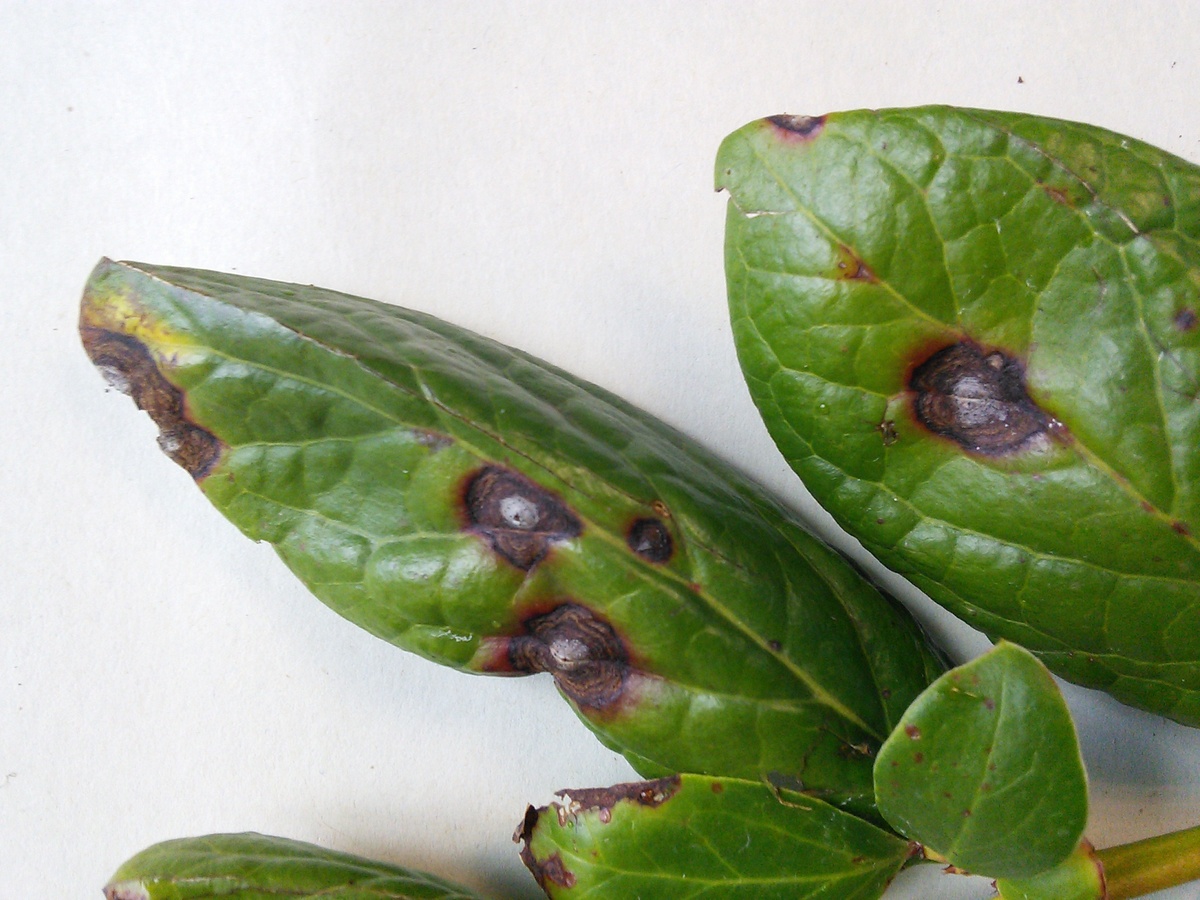
ANTHRACNOSE LEAF SPOT, RUST, SEPTORIA, AND TARGET SPOT

Read More

Reflecting on Resilience, Advocacy, and Florida’s Blueberry Future

​As my term as President of the Florida Blueberry Growers Association comes to a close, I am proud to reflect on how far we have come. By the time this issue reaches you, I will officially step into the role of Past President. Looking back over these past two years, our industry has navigated significant operational and economic hurdles, but our shared work has built a stronger, more united association positioned for long-term success.

Read More

UF/IFAS Professor Retires: Jeffrey Williamson on Florida Blueberries and Mentorship

Dr. Jeffrey Williamson

“The very fact that we’re growing blueberries at all is because of UF/IFAS. If we didn’t have those varieties, we wouldn’t be growing blueberries commercially. The breeding program is really what turned blueberries into an important crop for Florida.”

Read More

Establishing New Southern Highbush Blueberry Plantings in Florida

There are many steps to consider when establishing a new southern highbush blueberry field. The purpose of this publication is to assist Florida blueberry growers with critical management practices for establishing a new field. We assume that any irrigation wells, overhead irrigation, and farm equipment are already in place. Therefore, establishing those items is not addressed here.

Read More

‘Blueberry OG’ Jeff Williamson Retiring After Decades of Service to the Industry

‘Blueberry OG’ Jeff Williamson Retiring After Decades of Service to the Industry

Read More

How to Assess the Size, Strength of Honey Bee Colonies

Read More

Tips for Hurricane Prep and Post-Storm Management

FEATURE | for the crop

Read More

Suggested Blueberry Management Items for Summer and Early Fall Months

Grower 411

Read More

Combat Chilli Thrips With Inspections & Insecticides

Bug of the Month

Read More

Why the USHBC Matters Now More Than Ever

Why the USHBC Matters Now More Than Ever 

Read More

Fresh Perspective

Publisher's Interlude

Read More

The Perfect Time for Controlling Weeds

FEATURE | farm management

Read More

Summer 2026 President's Letter

From Frost to Future


Read More

Spring 2026 Florida Blueberry Growers Meeting

Click Below to See Photos

Strategy and Resilience in a Defining Season

Prior to the events of early February, Florida was positioned for a milestone year. Across the state, both evergreen and deciduous crops showed exceptional promise. We were prepared to enter a “hungry” market with high-quality berries and strong volume—momentum that was abruptly challenged by a historic “super-cooling” freeze.

Read More

An Open Door for Diseases

Watch for Botrytis, Anthracnose, Phytophthora, and Stem Blight in Wake of Freeze


This winter’s freeze event of January 31 – February 2, 2026 caused significant damage across the state to open blooms, developing fruit, and plants, creating opportunities for disease to develop. The applicable diseases include botrytis, anthracnose fruit rot, Phytophthora root rot, and Botryosphaeria stem blight. The first three will be briefly addressed, while the focus will primarily be on stem blight. The below article was initially published days after the freeze events and has been updated with seasonal progress to date.

Read More

New Leaf Nitrogen Sufficiency Ranges for SHB

Updated Levels Are Lower Than Previously Available Thresholds

It is part of our routine. We collect leaves in the middle of the summer and submit them to a laboratory (like the UF/IFAS Analytical Services Laboratory) to find out how our plants are doing. We get a result back: 1.2% N, 1.5% N, 2.0% N. But what does this mean? Like a doctor taking a patient’s temperature, test results are only meaningful when compared to a reference standard. 104°F is a fever. 97°F is normal. Knowing where the bar is set makes all the difference in how we interpret test results.

Read More

Florida Freeze Fallout

Evaluating the Damage and Taking Steps Toward Recovery

The freeze event beginning January 31, 2026, was one of the most significant events in many years. Extremely low temperatures and dew points, along with high sustained winds, made freeze protection very difficult in many areas of the state, resulting in significant bloom and fruit damage.

Read More